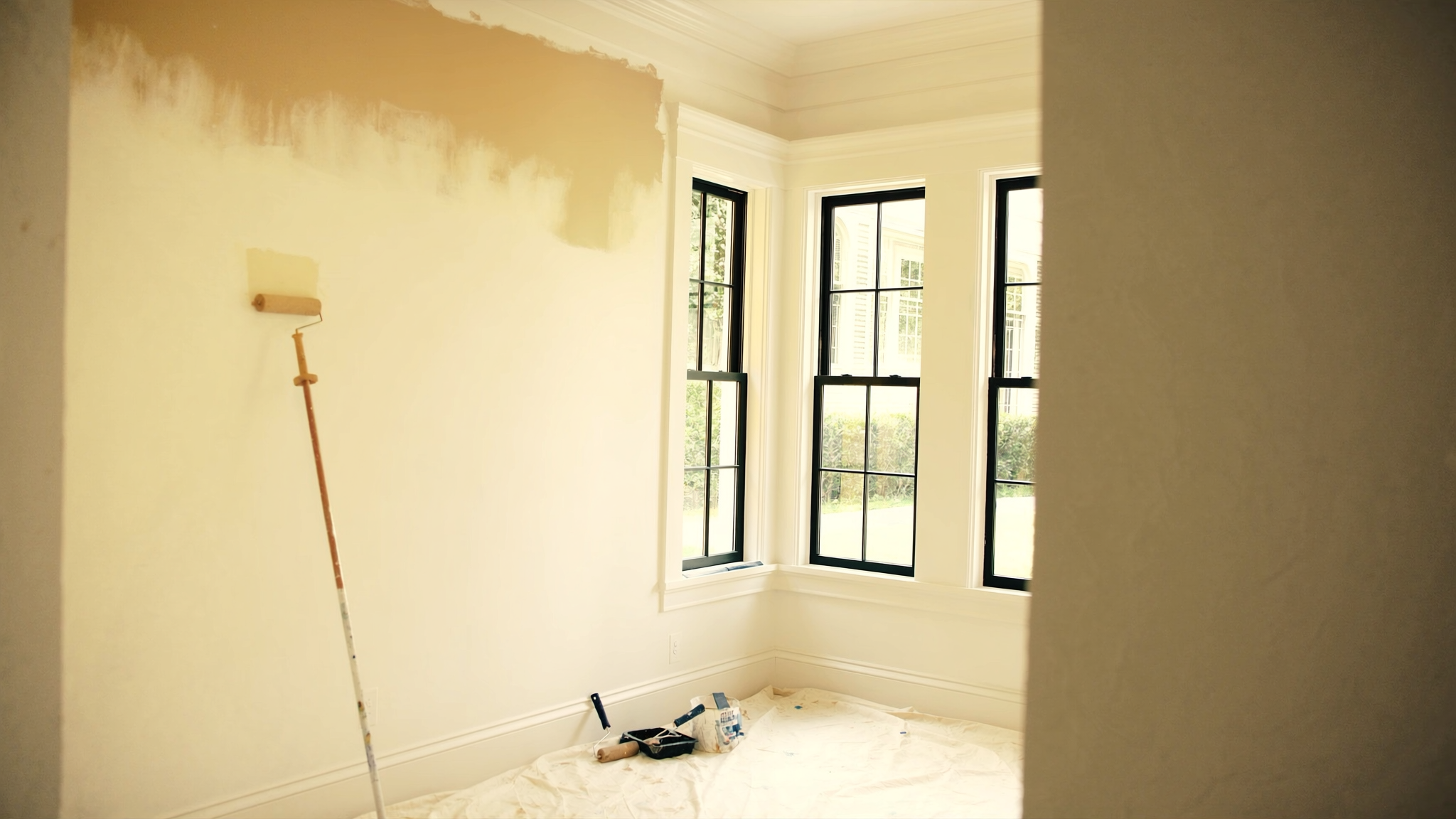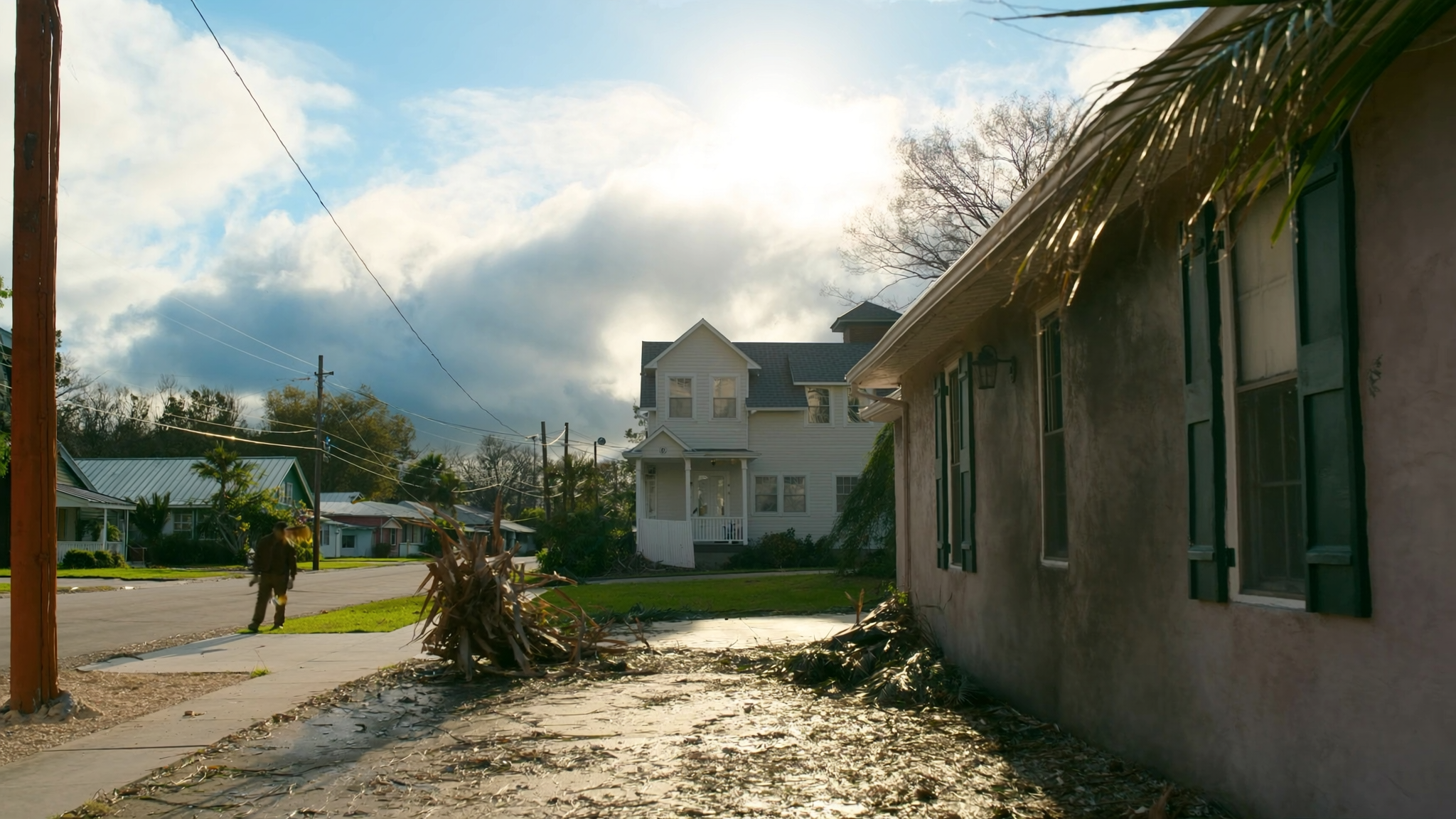

A fresh coat of paint does more than refresh your home’s curb appeal. On the coast, it is one of the most important layers of protection your exterior has. Exterior painting in Charleston, SC asks more of a finish than painting almost anywhere else, because our salt air, high humidity, and strong sun work against a coating from the day it dries. The good news is that a thoughtful approach to prep, product, and timing can help your paint protect and last for years. This guide walks through what makes a coastal paint job hold up, so you can make confident decisions for your home.
Why Charleston’s Coastal Climate Is Tough on Exterior Paint
The Lowcountry is beautiful, but it is demanding on exterior finishes. Salt carried inland on the breeze settles onto siding and trim, where it draws moisture and slowly breaks down paint films. Humidity stays high for much of the year, feeding mildew and mold that leave dark streaks and shorten a coating’s life. Our intense UV exposure fades color and makes some paints chalky and brittle. Add frequent afternoon thunderstorms and the wind-driven rain that comes with them, and you have a finish that is constantly tested by moisture, heat, and movement.
These pressures are why a paint job that might last a decade in a dry, mild region can begin to fail much sooner here. Understanding the climate is the first step toward choosing materials and methods that stand up to it, rather than fighting it. Everything that follows, from prep to product to timing, is about giving your exterior the best chance to renew and protect over the long term.
Surface Prep: The Most Important Step in a Lasting Paint Job
If there is one thing that determines how long a coastal paint job lasts, it is preparation. Paint can only bond to a surface that is clean, sound, and dry. Skipping prep is the most common reason a finish peels or fails early, and no premium paint can make up for a surface it cannot grip. Proper prep is detailed, patient work, and it is where a careful, professional crew earns its keep.
Cleaning and Soft Washing
Before any paint goes on, the surface needs to be free of salt, dirt, mildew, and chalk. We recommend soft washing your home’s exterior rather than high-pressure blasting, which can drive water behind siding and damage older surfaces. Thorough exterior house cleaning removes the grime and biological growth that keep paint from bonding, and it gives you a true look at the surface underneath.
Scraping and Repair
Loose, flaking, or failing paint must be scraped and sanded back to a stable edge. This is also the time to address the wood itself, replacing rotted boards, resetting nails, and filling cracks. Caulking gaps around windows, doors, and trim seals out the wind-driven rain that coastal homes know well.
Priming Bare and Repaired Surfaces
Any bare wood, patched area, or stain-prone spot should be primed before topcoat. A quality primer creates a uniform, sealed surface that helps the finish adhere and resist moisture from below. On coastal homes, this step is not optional; it is part of the protection.
Choosing the Right Exterior Paint for Humidity and Salt Air
Once the surface is ready, product choice matters. The best exterior paint for a humid climate is a high-quality 100% acrylic latex formulated for durability and flexibility. Acrylic paints breathe and move with the substrate as it expands and contracts through temperature swings, which helps them resist cracking. Look for finishes with strong mildew and mold resistance, because that biological growth is one of the fastest ways a coastal finish starts to look tired.
UV stability is just as important. Quality coatings hold their color and integrity far longer under our strong sun, resisting the fading and chalking that cheaper paints show within a season or two. On masonry, stucco, or surfaces with hairline cracking, an elastomeric coating can add a flexible, water-shedding layer that bridges small gaps. The right product depends on your home’s materials and condition, which is part of why a professional assessment pays off. When you invest in quality paint over a properly prepped surface, you are buying years of protection, not just a fresh look.
Color and Historic-District Considerations
Color is one of the most personal parts of any project, and in the Lowcountry it carries some practical and regulatory weight. Lighter and mid-tone colors tend to reflect heat and hide the effects of UV better than very dark shades, which absorb more sun and can fade or stress a finish faster. Soft, classic Charleston palettes are popular for good reason; they suit the architecture and tend to age gracefully.
If your home sits within a historic district, color and exterior changes may need review before work begins. The Board of Architectural Review oversees these decisions to preserve the character of our historic neighborhoods, so it is worth understanding the City of Charleston’s design review process early. A knowledgeable painting partner can help you choose colors that honor those guidelines while still reflecting your taste.
When Is the Best Time to Paint a House Exterior in the Lowcountry?
Timing has a real effect on how well paint cures and bonds. The best time to paint a house exterior in the South is during stretches of moderate temperatures and lower humidity, often in spring and fall. Paint needs to dry and cure at a steady pace, and high humidity or surfaces still damp with dew can interfere with adhesion and leave a weaker film.
Dew point matters as much as the calendar. Painting too early in the morning, before surfaces have dried, can trap moisture under the coating. Summer is workable, but it calls for planning around our afternoon thunderstorms; a crew needs dry windows long enough for each coat to set before rain arrives. This is where experience helps, because reading the conditions day to day protects the quality of the finish. The goal is simple: apply paint when the surface and the air give it the best chance to cure and last.
Why Professional Exterior Painting Protects Your Investment
Exterior painting is as much about protecting your home as it is about appearance. A professional crew brings the prep discipline, product knowledge, and weather judgment that a coastal finish requires, and that combination is what turns a paint job into lasting protection. From careful cleaning to proper priming to choosing the right coating for each surface, the details add up to a finish that holds its color and seals out moisture for years.
At Reflections of Charleston, our approach to professional exterior painting follows our promise to clean, renew, and protect. We treat your home with white-glove care and the kind of attention that preserves your investment over time. Exterior painting also pairs naturally with our other residential exterior services, so your home’s surfaces are cleaned and maintained as one connected plan rather than a series of one-off fixes.
Frequently Asked Questions
What is the best exterior paint for Charleston’s humid, coastal climate?
A high-quality 100% acrylic latex paint is generally the best choice for our humid, coastal climate. Acrylic finishes flex with the surface, resist mildew and mold, and hold up well against UV fading. For masonry or surfaces with hairline cracks, an elastomeric coating can add extra water resistance.
Do you need to wash a house before exterior painting?
Yes. Cleaning is one of the most important prep steps, because paint cannot bond properly to a surface coated in salt, dirt, chalk, or mildew. We recommend soft washing rather than high-pressure methods, which can force water behind siding and harm older surfaces. A clean, sound surface is the foundation of a long-lasting finish.
When is the best time of year to paint a house exterior in the Lowcountry?
Spring and fall are usually ideal, when temperatures are moderate and humidity is lower. Paint cures best on dry surfaces, away from heavy dew and the high humidity of midsummer. Summer projects are possible but require planning around afternoon thunderstorms so each coat has time to set.
How long does exterior paint last on a coastal home?
With quality paint and thorough prep, an exterior finish can last roughly 5 to 10 years on a coastal home, sometimes longer. Salt air, humidity, and UV all shorten that range when prep is rushed or lower-grade paint is used. Regular cleaning and seasonal maintenance help extend the life of the finish.
Can you paint a historic Charleston home any color?
Not always. Homes within historic districts may be subject to design review, and color choices can require approval to preserve neighborhood character. It is best to confirm the guidelines for your property before selecting a palette. A knowledgeable painting partner can help you choose colors that meet those requirements while still suiting your style.
Your home deserves a finish that protects as beautifully as it looks. If you are planning exterior painting in Charleston or the surrounding Lowcountry, our team will assess your surfaces, recommend the right prep and products, and time the work for a lasting result. Request a Free Estimate today and let us help you renew and protect your home’s exterior with white-glove care.
If you are budgeting the job, our guide to exterior house painting costs in Charleston sets out the ranges and what moves them.
Not sure whether a repaint is due at all? See how often to paint a house exterior in Charleston.