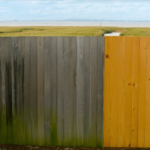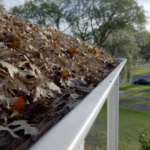

If you have noticed dark streaks or a greenish film creeping across your home this summer, you are not alone. Mold on siding is one of the most common concerns we hear from Lowcountry homeowners once the humidity sets in. The good news is that it can be removed safely, and with the right approach, it can be kept away far longer. The key is understanding what causes it, why some cleaning methods do more harm than good, and how a gentle, professional process can both clean and protect your home’s exterior.
Below, we will walk through why mold and mildew thrive on Charleston siding, how to tell what you are looking at, and the safest way to restore your home without damaging the surfaces you are trying to preserve.
Why Mold and Mildew Thrive on Charleston Siding
Our coastal climate is beautiful, but it also creates nearly perfect conditions for mold and mildew growth. Warm temperatures, frequent rain, and high humidity give spores everything they need to settle in and spread. As the EPA notes, mold only needs moisture and a surface to grow, and the Lowcountry supplies both in abundance for much of the year.
Humidity, Shade, and Salt Air
Several local factors work together to feed exterior growth:
- Humidity: Charleston summers hold moisture in the air long after the rain stops, keeping siding damp.
- Shade: Walls shielded by trees, porches, or neighboring homes stay wet longer and dry slowly.
- Salt air: Coastal salt collects on surfaces and holds moisture, giving spores a steady foothold.
- North-facing walls: These sides receive the least direct sun, so they are usually the first to show growth.
Historic and waterfront homes are especially prone to these conditions, which is why consistent property care matters so much in our region.
Mold vs. Mildew: What You’re Actually Seeing on Your Siding
Homeowners often use the two terms interchangeably, but they look and behave a little differently. Mildew tends to appear as a flat, powdery layer in gray, white, or light green, and it usually sits on the surface. Mold is often darker, ranging from green to black, and can appear fuzzy or slightly raised.
Both feed on organic material and moisture, and both spread if left alone. Mildew on vinyl siding is the more frequent early symptom, but if it is ignored, heavier mold on house siding can follow. Either way, the underlying cause is the same: trapped moisture. Treating the surface without addressing the spores is why so many quick fixes fail within a season.
Why You Shouldn’t Pressure Wash Mold Off Siding
It is tempting to reach for a pressure washer, but high-pressure water is one of the most common ways homeowners accidentally damage their siding. The force can drive water behind panels and trim, where it becomes trapped against the sheathing, the exact moisture problem that caused the growth in the first place. Over time, that hidden water can lead to rot, peeling, and even more mold.
High pressure can also strip finishes, etch surfaces, and crack older or brittle materials, something we see often on historic Charleston homes. And because pressure washing only blasts away what is visible, it leaves the root spores behind. The growth simply returns, often within weeks.
This is where understanding the difference between soft washing and pressure washing becomes so valuable. The goal is not just to clean, but to protect the surface while you do it.
How Soft Washing Safely Removes Mold on Siding
Soft washing is a gentler, more thorough method designed specifically for delicate exterior surfaces. Instead of relying on force, it uses low-pressure application paired with specialized cleaning solutions that break down mold, mildew, and algae at the source.
The Process and Why It Lasts
A professional soft wash typically follows a careful sequence:
- Surfaces and surrounding plants are protected and rinsed.
- A gentle, targeted cleaning solution is applied to break down growth.
- The solution is given time to work, treating not just the stain but the spores beneath it.
- Everything is rinsed clean at low pressure, leaving siding refreshed.
Because soft washing treats the organisms rather than simply rinsing the surface, results last significantly longer. It cleans, renews, and protects in a single visit, which is why it has become the trusted standard for professional exterior cleaning across the Lowcountry. For a broader look at caring for every surface of your home, our complete guide to exterior house cleaning in Charleston is a helpful companion read.
What Homeowners Can (and Can’t) Do Themselves
Light, easy-to-reach spots can sometimes be handled at home. A soft-bristle brush, a garden hose, and a mild cleaning solution can address a small patch on a ground-floor wall. If you go this route, work gently, rinse thoroughly, and never use high pressure.
Safety and Bleach Cautions
There are real limits to DIY, and they are worth respecting:
- Ladders: Most growth appears on upper or shaded walls that are difficult and unsafe to reach without proper equipment.
- Bleach: Straight household bleach can harm landscaping, discolor surfaces, and is hard to mix and rinse correctly.
- Coverage: Spot cleaning rarely treats the spores fully, so growth tends to return.
When growth is widespread, recurring, or up high, it is safer and more effective to rely on a team trained in residential exterior cleaning services.
Protecting Your Siding Long-Term in the Lowcountry
Removing mold is only half the job. Keeping it from coming back is where long-term protection pays off. Because of our coastal climate, most homes benefit from professional soft washing on a regular schedule rather than waiting until staining becomes obvious.
For most Charleston-area homes, an annual cleaning is a strong baseline, with shaded or waterfront properties often benefiting from service every six to twelve months. Pairing that with simple habits, trimming back vegetation, clearing gutters, and improving airflow around the home, helps surfaces dry faster between rains. Think of seasonal maintenance as routine property care: a small, predictable investment that preserves your siding, your finishes, and your home’s value over time.
Frequently Asked Questions
How do I get rid of mold on my siding?
For small, low areas, a soft brush and a mild cleaning solution can help, applied gently and rinsed well. For anything widespread, recurring, or high up, professional soft washing is the safest and most effective option. It removes the growth and treats the spores so your siding stays cleaner longer.
Will mold come back after cleaning?
If only the surface is rinsed, mold often returns within weeks because the spores remain. Soft washing treats the growth at its source, which dramatically slows regrowth. In our humid coastal climate, periodic maintenance keeps it from taking hold again.
Is it safe to pressure wash mold off vinyl siding?
It is generally not recommended. High pressure can force water behind the panels, strip finishes, and crack older materials, while leaving the root spores behind. Soft washing achieves a cleaner, longer-lasting result without risking that damage.
How often should I have my siding cleaned in Charleston?
An annual soft wash is a reliable baseline for most homes. Shaded, wooded, or waterfront properties often benefit from cleaning every six to twelve months because they stay damp longer. A professional can recommend the right cadence for your specific home.
Can mold on siding damage my house?
Over time, yes. Persistent moisture and growth can break down finishes, trap water against the structure, and contribute to rot if ignored. Removing it promptly and maintaining your exterior helps preserve both the appearance and the integrity of your home.
Charleston’s climate will always invite mold and mildew, but your home does not have to show it. With gentle, professional soft washing and a simple maintenance rhythm, you can restore your siding’s appearance and protect your investment for years to come. When you are ready to refresh and safeguard your home’s exterior, our team is here to help. Request a Free Estimate and let us help you keep your home clean, renewed, and protected.