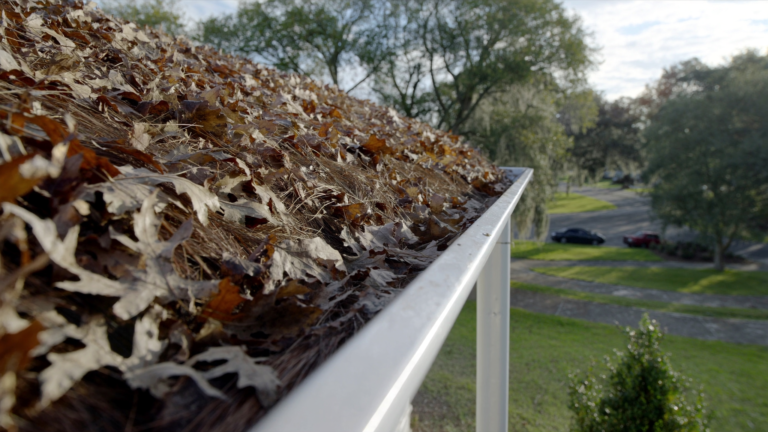
Most of the fall home maintenance checklist you will find online was written for somewhere with a hard freeze. It tells you to blow out irrigation lines, insulate pipes, and prepare for snow load, and almost none of it applies here. A Charleston fall checklist has a different job: clearing what summer left behind, getting the property through the tail of hurricane season, and dealing with a leaf drop that arrives later and lasts longer than almost anywhere else in the country. This is that list.
Why the Lowcountry Fall Home Maintenance Checklist Is Different
Three things set Charleston apart in autumn.
Hurricane season is not over. The Atlantic season runs through November 30 according to the National Hurricane Center, and October storms are not unusual. Anything on your fall list that improves drainage or removes loose material is also storm preparation.
Leaf drop is late and long. Live oaks hold their leaves into spring and shed on their own schedule; pines drop straw steadily from October onward. There is no single weekend where everything falls and you are done. Gutters clogged in November are usually still clogging in February.
Mildew does not stop. Cooler air holds less moisture, but Lowcountry humidity stays high enough for organic growth to keep working through the winter on shaded elevations. Fall is when you remove the summer’s growth before it settles in for another season.
Roof and Gutters
- Clear gutters and downspouts, then run water through and watch where it goes. Overflow at a joint in October becomes a rotted fascia board by spring.
- Check that downspouts still discharge well away from the foundation and that any extensions survived the summer storms.
- Look at the roof from the ground with binoculars. Dark streaking is roof algae, not dirt, and it holds moisture against the shingle.
- Note any lifted or missing shingles, particularly after a storm passed nearby.
- Trim limbs that overhang the roof. This reduces debris load and removes the shade that keeps shingles damp.
Because the leaf drop is staged here, one clearing rarely covers the whole season. Our guide to gutter cleaning and brightening in Charleston covers the timing, and if your roof is showing black streaks, our guide to roof cleaning and soft washing costs explains what is actually growing up there and how it is safely removed.
Siding, Trim, and Paint
- Walk the perimeter and look at the north and east elevations first — that is where mildew and green algae appear before anywhere else.
- Check caulk at windows, doors, and trim joints. Cracked caulk before winter rain means water behind the finish.
- Press a screwdriver into sills and the bottoms of trim boards. Any softness is rot, and rot only gets worse once the wet season starts.
- Rub a sunlit wall. Powder on your hand is chalking, which means the paint film is breaking down.
- Schedule a house wash if the summer left visible growth. Removing it now stops it overwintering and spreading.
Fall is also the best painting window in the Lowcountry. Humidity is down, daytime temperatures suit coatings, and overnight lows stay comfortably within product specifications. If your exterior looked tired all summer, this is the season to deal with it — our guide to how often to repaint a house in Charleston will tell you whether it is actually due.
Windows
- Clean glass inside and out. Summer leaves behind pollen residue, salt film, and irrigation spotting, and the low autumn sun shows every bit of it.
- Check and clean screens, then store or reinstall as you prefer.
- Look at the glazing and the frames while the glass is clean. Failed glazing putty and soft frame wood are much easier to see on a clean window.
- Clear weep holes at the bottom of the frames so rain can drain rather than sit.
If spotting will not come off with ordinary cleaning, it is likely mineral etching from irrigation or salt rather than dirt. Our guide to hard water spots and salt film on Charleston windows explains the difference and what removes each.
Driveways, Walks, Patios, and Decks
- Clear organic debris from hardscape. Leaves and pine straw left on concrete or pavers leave tannin stains that are far harder to remove in spring than in fall.
- Look for the green film on shaded walkways and steps. It is algae, it is slippery when wet, and it is a genuine safety issue through the wet season.
- Check deck boards and railings for softness and loose fasteners before holiday entertaining.
- Clean and cover or store outdoor furniture and cushions.
Drainage and Grounds
- Watch where water goes during the next real rain. Standing water against a foundation or crawl space vent is the finding that matters most on this whole list.
- Clear yard drains and area drains of summer debris.
- Trim vegetation back from siding. Shrubs touching the wall hold moisture and give mildew a permanent foothold.
- Secure or store anything that could become airborne if a late-season storm arrives.
What You Can Skip in Charleston
National checklists will tell you to do several things that are not worth your Saturday here.
- Full irrigation winterization. Hard, sustained freezes are rare. Insulating exposed backflow preventers and hose bibs before a cold snap is sensible; blowing out the system usually is not.
- Heavy snow and ice preparation. Roof rakes and ice-dam measures have no application on the coast.
- One-and-done leaf cleanup. Planning a single autumn cleanup does not fit a leaf drop that runs from October into spring.
The time saved is better spent on drainage, washing, and gutters, which are the three things that actually protect a Lowcountry home through the wet months. For the full picture of how these pieces fit together across the year, see our complete guide to exterior house cleaning in Charleston. And if a storm does come through before the season closes, our guide to post-storm exterior cleanup covers what to do in the days after.
Frequently Asked Questions
What should I do to my house in the fall in Charleston?
Clear gutters and check drainage, wash off the summer’s mildew and algae, clean windows and screens, clear organic debris from hardscape before it stains, check caulk and trim for rot, and keep the property storm-ready until the end of November. Skip the freeze-related tasks national checklists include.
When does hurricane season end in Charleston?
The Atlantic hurricane season officially runs through November 30. October storms are not unusual in the Lowcountry, so drainage, gutters, and loose yard items should stay on your list well into autumn.
Should I clean gutters before or after the leaves drop?
In Charleston, both. Live oaks and pines shed on a long, staggered schedule rather than all at once, so most homes need an early-autumn clearing and a second pass later in the season. A single cleanup rarely holds through the wet months.
Is fall a good time to wash a house in the Lowcountry?
It is one of the best. Washing in autumn removes the growth that built up over a humid summer before it overwinters, and lower humidity means surfaces dry properly. It also leaves the home looking its best going into the holiday season.
Do I need to winterize outdoor faucets in Charleston?
Full winterization is generally unnecessary. Disconnecting hoses and covering exposed hose bibs and backflow preventers ahead of a forecast cold snap is sensible; draining an entire irrigation system for the season usually is not.
What is the green film on my walkway and steps?
It is algae, fed by shade and Lowcountry humidity. It is slippery when wet and is a real safety concern on steps through the wet season. It responds to proper cleaning and is easiest to remove before winter rain sets in.
Let Us Handle the Exterior Half
Plenty of this list is a weekend of your own time. The washing, the roof and gutter work, and the hardscape cleaning are the parts most homeowners would rather hand over — and they are the parts where doing it wrong causes damage. If you would like the exterior handled properly before the holidays, request a free estimate.
We serve Charleston, Mount Pleasant, Daniel Island, Isle of Palms, Sullivan’s Island, West Ashley, James Island, and Johns Island.