
Most Charleston homeowners think about painting in spring. It feels like the natural season for it. But if you are painting the inside of your home, fall is the better window in the Lowcountry, and the reason is not scheduling convenience. It is humidity, and humidity determines how well paint cures, how the finish looks, and how long it lasts.
This guide explains why interior painting in Charleston goes better in the fall, what a professional job actually involves, and how to think about color in a city where the light is unusually specific.
Why Humidity Decides Everything
Paint does not dry so much as cure. Water and solvents leave the film in a sequence, and the coating forms its final structure as they do. That sequence depends on the temperature and the moisture already in the air.
Most interior paints are formulated for roughly forty to fifty percent relative humidity. A Charleston summer indoors, even with air conditioning running hard, frequently sits well above that. When the air is already saturated, moisture leaves the film slowly and unevenly, and the results are visible:
- Extended dry times that push recoat windows and stretch the project
- Lap marks, because the leading edge stays wet longer than expected
- Sheen inconsistency across a wall, most obvious in satin and semi-gloss
- Poor adhesion and a film that scuffs or marks more easily for its whole life
- Surfactant leaching, the streaky residue that appears on freshly painted walls in humid conditions
By late September and through October and November, Charleston humidity settles into a range that suits paint chemistry, temperatures are comfortable, and you can open windows for ventilation without letting in a wall of moist air. That combination does not exist here in July.
The Practical Reasons Fall Works
Beyond the chemistry, the timing suits how people actually live.
Ventilation becomes easy. Cross-ventilation clears odor and speeds curing, and in fall you can leave windows open for hours without fighting your air conditioning or inviting humidity back in.
The calendar cooperates. Painting in October means finishing well before the holidays rather than during them. Homeowners who wait until November are frequently trying to fit a project around guests and travel.
And exterior work is winding down. Fall is when a lot of Charleston’s exterior projects come to a natural close, which usually means better crew availability and more flexibility on scheduling than you will find in spring.
Choosing Color for Charleston Light
Charleston interiors have a particular quality of light and it defeats a lot of color choices made from a paint chip.
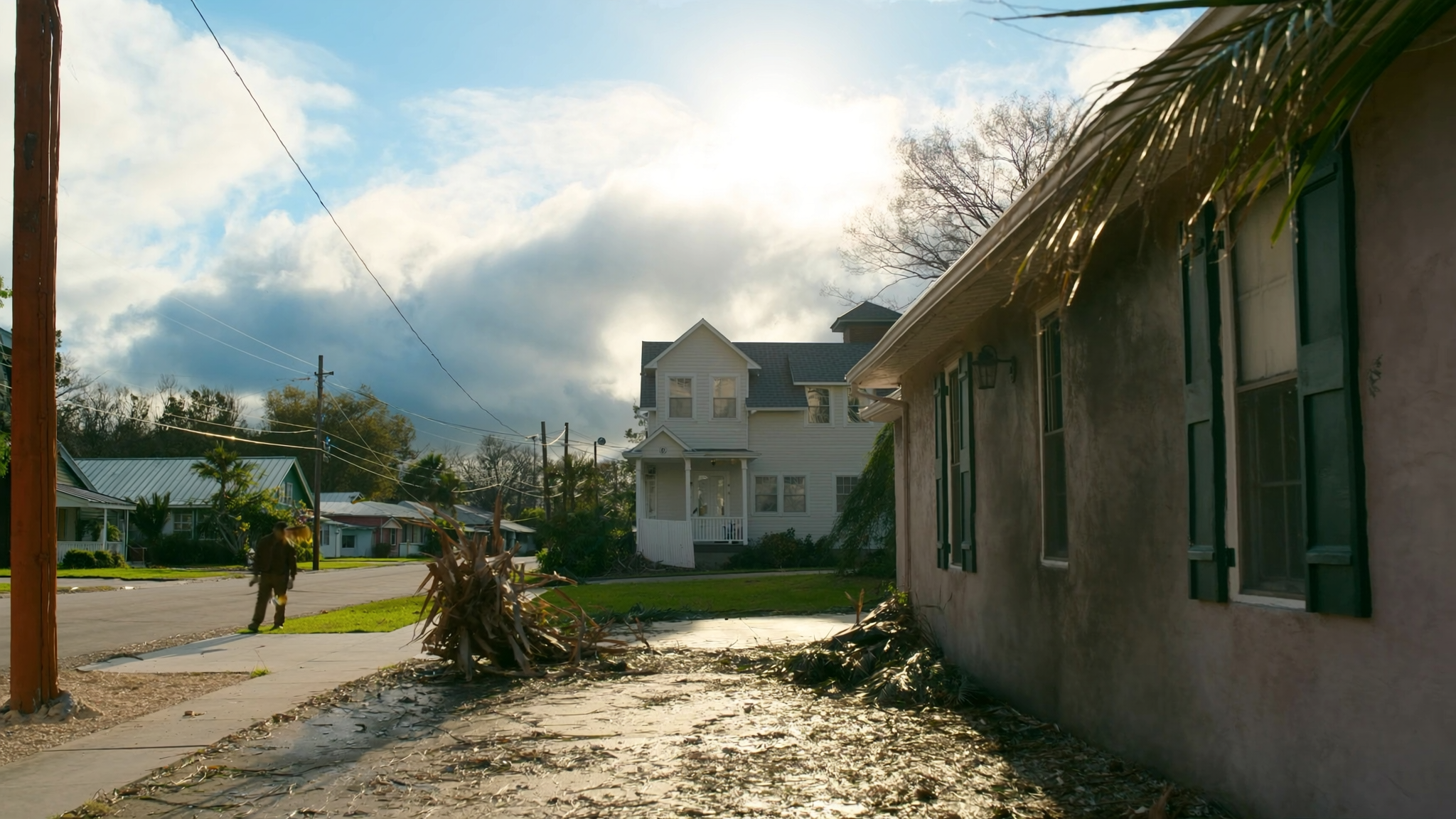
Homes here often have tall windows, high ceilings, and deep piazzas or porches that shade the openings. The result is abundant but heavily filtered light, frequently with a green cast from mature oak canopy and a warm reflected tone off nearby brick and stucco. A gray that reads as neutral in a showroom can read distinctly green or blue in a Charleston room.
Two things help. Sample large, at least two feet square, and put samples on more than one wall in the room, because a north-facing and south-facing wall will not read the same. Then look at them across a full day, including under the artificial light you actually use in the evening. A color that only works at two in the afternoon is not the right color.
Sheen deserves as much thought as color. Higher sheens are more washable and more durable but they show every imperfection in a wall, which matters in older Charleston homes with plaster that has settled and moved for a century. Flat and matte finishes hide that movement but mark more easily. Most rooms land on a matte or eggshell for walls and a satin or semi-gloss on trim and doors.
What a Professional Interior Job Involves
The visible part of painting is the smallest part of the work. Preparation is what separates a finish that lasts fifteen years from one that fails in three.
- Protection. Furniture moved and covered, floors fully protected, and clean containment between work areas and the rest of the house.
- Surface repair. Nail pops, settlement cracks, previous patchwork, and damaged drywall or plaster corrected and sanded smooth. Older Charleston homes almost always need this.
- Cleaning. Walls washed where needed. Kitchens carry cooking residue and bathrooms carry soap film, and paint will not bond reliably to either.
- Priming. Bare repairs, stains, and any significant color change get primed. Skipping primer is the most common shortcut and the most visible one a year later.
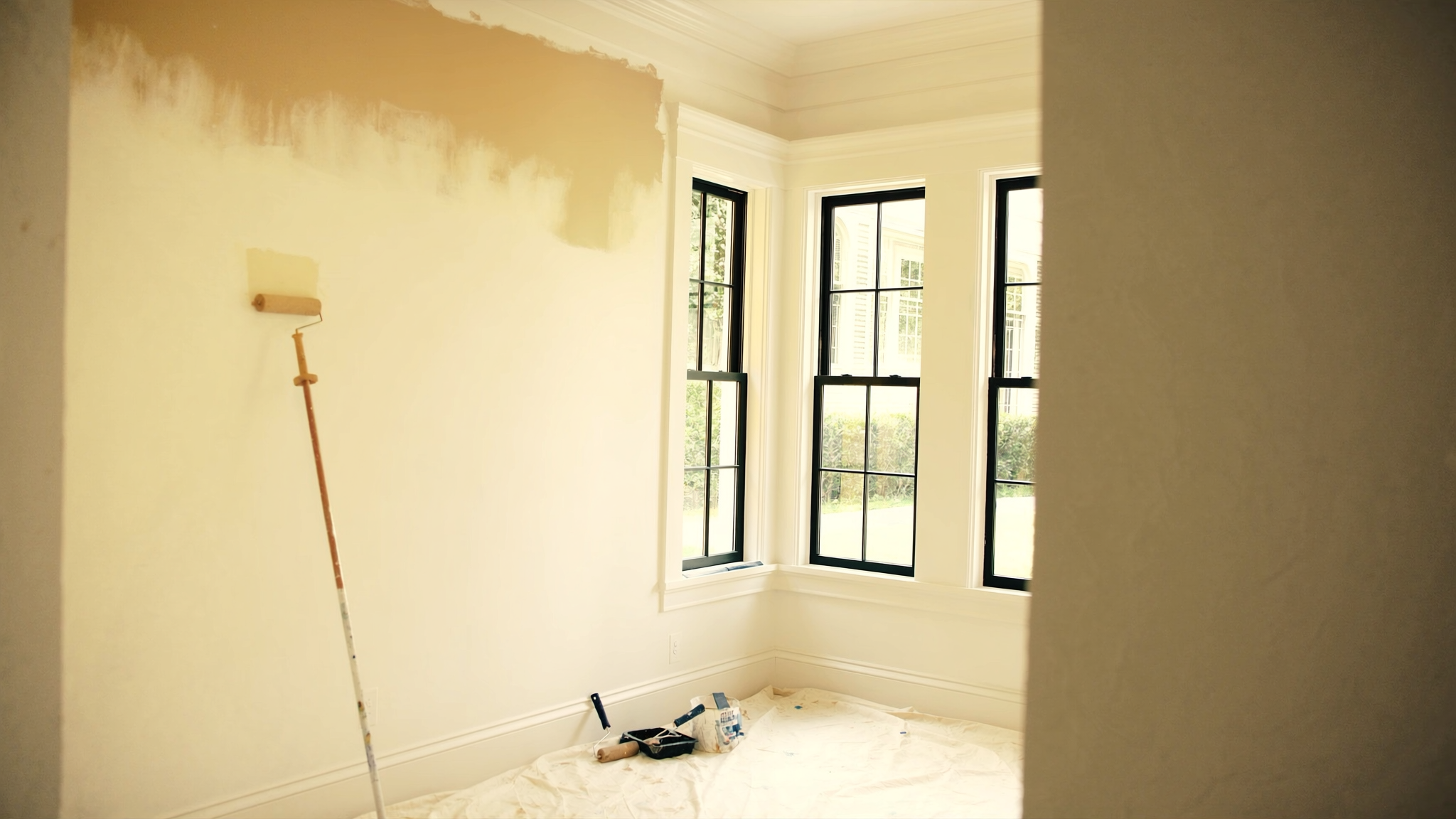
- Application. Cut in by hand, rolled in consistent sections, with proper recoat times respected rather than compressed to finish a day early.
- Cleanup and walkthrough. The room returned to usable condition, and a walkthrough with you before the crew leaves.
The same discipline governs our exterior work, where Charleston’s conditions are even less forgiving. We wrote about that in our guide to exterior painting and prep for the coastal climate.
A Sensible Order of Operations
If your home needs both interior and exterior attention, sequence matters. Exterior cleaning and painting come first, in the drier stretch of early fall while surfaces will still cure outdoors. Interior work follows as the weather turns and you are spending more time inside anyway.
Handling both through one company means a single point of accountability and a schedule that fits together rather than two contractors negotiating around each other. Our interior and exterior painting services cover both, and our residential division handles the exterior cleaning that should precede any outdoor painting.
Clean. Renew. Protect.
Interior paint is not only decorative. It seals and protects the surfaces underneath, and in a humid coastal climate a properly applied, properly cured film is a genuine barrier. Done in the right season, with the right preparation, it holds for well over a decade.
If you are thinking about painting before the holidays, now is the time to plan it. Request a free estimate and we will walk the rooms with you across Charleston, Mount Pleasant, Daniel Island, and the surrounding Lowcountry.